What can’t be borrowed?
I've been sitting with the same question twice this month. Once on a road in Rome, and once at my desk.
What do I have that can't be borrowed?
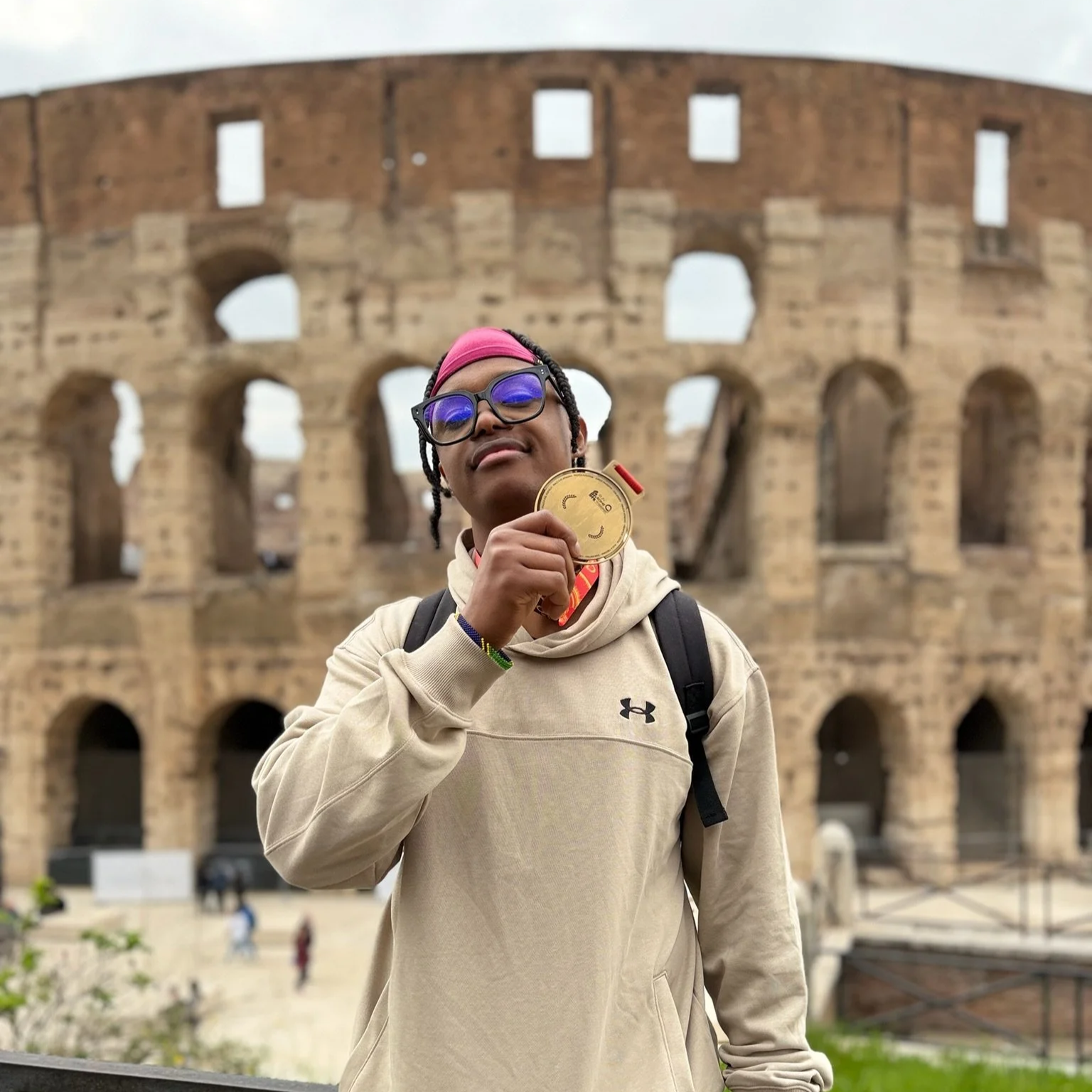
March closed in Rome where I ran my first ever marathon. I'd been training since October. Three times a week, long Saturday runs, and sometimes close to three plus hours on my feet. The kind of preparation that feels solid until the moment it isn't.
Seeing Rome itself was something else. You feel the historic weight of the city everywhere. In the cobblestones and the buildings that have been standing longer than most countries have existed. There's a saying that goes: all roads lead to Rome. Running through streets like that and past things built to last centuries, you can't help but think about what it actually takes to build something that lasts.
Somewhere around 36 KMs, my legs stopped cooperating. I had to walk parts of it. Poor pacing in the first half and not eating enough caught up with me. My toes were blistered and my hip flexors were tight. Through long stretches of the course, the only thing that kept me moving was something I quietly kept telling myself…
“This isn't the hardest thing you've done. Keep going!”
Slowly and surely, I eventually crossed the finish line. It was one of the best feelings I've had in a very long time.
My first thoughts weren't of pride. I knew I hadn’t done myself any justice with the prep and I definitely could do it better—but at least it was done.
I wasn’t criticising myself. It had tried my preparation, efforts and patience. I knew I wanted to meet it again. Only next time with more clarity.
When I came home, the question followed me to my desk.
What do I have that can't be borrowed?
I've been watching what AI is doing at work and in my life — Not with fear, but with honesty. The barrier to entry on a lot of things has collapsed. Anyone can now write, produce, design and create. The opportunity to bring something unique to who you are has become much more accessible. I like it. Ideas and how you execute them matters more than anything now. This has led me to ask the question: When everything becomes easy to access, and the floor keeps rising, what's going to be left that's actually mine?
As usual, I found myself down a podcast rabbit hole, listening to David Heinemeier Hansson, the co-founder of Basecamp, where he talked about liquid and crystallised intelligence. Liquid: fast, open, willing to be wrong, curious enough to let new things in. Crystallised: built from pattern recognition, from having seen enough to know how things tend to go. Both of these matter, but leaning towards liquid especially matters when the world is moving faster than your mental models can keep up.
Without knowing it, I've been trying to live this. This past month, I built myself a health dashboard using AI — something that tracks my workouts, builds them and keeps me accountable through my ever-ongoing rehab. It's mine. I created it for me and that's the point. The tool is only as useful as the person holding it.
I'm trying to stay liquid, but I'm also aware that what I've spent years building, the taste, the judgment, the way I notice things, doesn't just flow. That's accumulation over time. And accumulation, when it's the right kind, is hard to replicate. What I’ve gathered and continue collecting and producing can only be done by me.
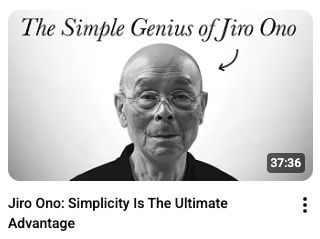
In another podcast, I heard about Jiro Ono, the sushi chef who earned three Michelin stars in a tiny restaurant in Tokyo after decades of single-minded devotion to his craft. In the podcast, the narrator quotes Jiro, who said: “Once you decide on your occupation, you must immerse yourself in your work. You have to fall in love with it.” Jiro wasn't talking about his tools, systems, leverage or differentiation. He was talking about devotion.
I originally listened to the above podcast on the flight back from Rome. The message didn’t click for me until I was back home in routine—sat at my desk with the looming question over my head. And that, was the answer I had been looking for.
Not a framework, but devotion. Taste accumulated slowly with judgment earned the hard way. The kind of thing that shows up at 36 KMs of a marathon and keeps you moving when there's no good reason left to. I won't pretend that I have it figured out. My business has been quieter than I'd like it to be and I'm still working out where my edge actually lives. There's a version of me that wants to move faster, to announce more, produce more, and be more visible. I know that version well.
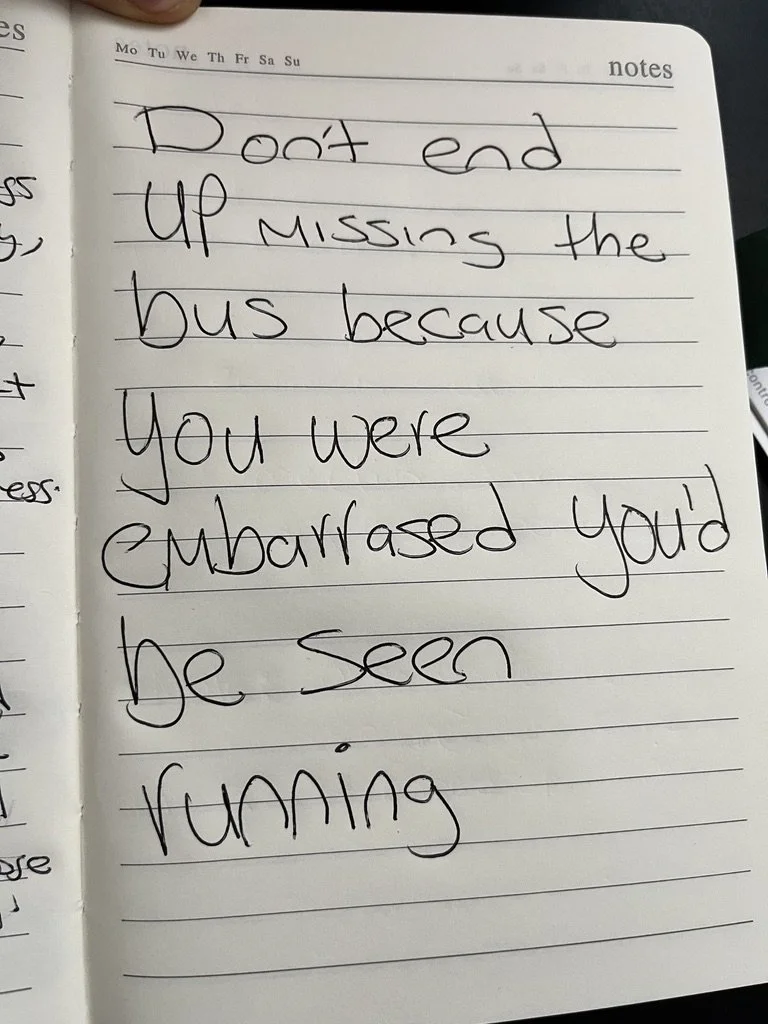
But I keep coming back to something I recently wrote in my journal: Don't miss the bus because you're embarrassed to be seen running. This is all to say I don’t want to miss out on opportunities simply because I was too afraid or just “too cool” to look the fool in the moment.
In his famous graduation speech to Stanford University, Steve Jobs said that "remembering you're going to die is the best way to avoid the trap of thinking you have something to lose. You are already naked. There's no reason not to follow your heart."
So I think about that and this recent quote during these stagnant periods—When I'm tempted to wait until things feel more certain before I show up fully.
I tell myself: Stay in motion.
The marathon is done. The training that held my weeks together for six months is over, and there's a strange quiet in the hours I've gained back. I've already signed up for the next one. Not because I need a race on the calendar, but because I understand something now that I didn't before: I need something I'm working in, not just something I'm working on.
This blog, the short videos, my other writing, all of that. All are a slow accumulation of something that sounds like me. Each time around, I find my rhythm. And the rhythm only works if someone holds it. That someone has to be me.
Like what you read? Follow along.